





CHILL LAB 超正常研究室 – 關注青少年的精神健康,讓參加者覺察及表達當下的情緒並調適自己

How do candidate face the DSE result?

The day of the announcement of the DSE result is coming. Meanwhile, it is telling the students that secondary school life has come to an end. With the new chapter in life, the process is full of unknowns. Let’s look at how to adjust our mindset with some tips below.

1.Understand more about your result
On the day when the results are released, thousands of thoughts may run through your mind when you are holding the results. “Need to study ASSO right away?” “Do I gain enough marks on applying for the ideal subjects?” Before releasing the results, you can preview the choices you will make with different scores and simulate the situation after you get the results that day. For example, use a chart to write down your ideal and least ideal scores, and compare them with your expected goals. Make backup plans. If you plan to continue your studies, you should think of several subjects that are interesting and suitable for you, so as not to be affected by the results on the day when the results are released, which will affect your mentality and then affect your ability to make decisions. At the same time, remember to prepare the documents required for the results day one or two days in advance so that you can face it calmly.

2.Objectively analyze your performance
We may only experience this critical moment of results release once in our lifetime. Students are wise to review the entire preparation process, affirm their dedication and efforts, and also recognize areas that need improvement. The score only reflects the ability to attend the examination, but your own efforts and mental adjustment during the process are the experiences that accompany your growth. Students can focus on whether profound things linger in their minds during the past few years of preparing for DSE. Those memories are also an important part of middle school life.

3.Find support and advice
Remember that you are not alone. If you have any doubts, you may wish to take the initiative to talk to your family, teachers, and friends and listen to their support. There will always be times when a person is in trouble. You might as well share your problems or troubles with others. Different ideas may emerge. This is also very important to adjust our mentality and formulate long-term plans.

4.Appreciate yourself
Finally, it is time to appreciate your efforts over the past few years in secondary school! Achievements are only one-sided performances. On the contrary, the entire middle school career experience is not only about studying but also the personal growth experiences. An ending represents another beginning. On the eve of the release of the results, let’s invite friends to play around, relax and relieve stress, and say farewell to secondary school life and welcome to a new beginning.
Anxiety before DSE results release

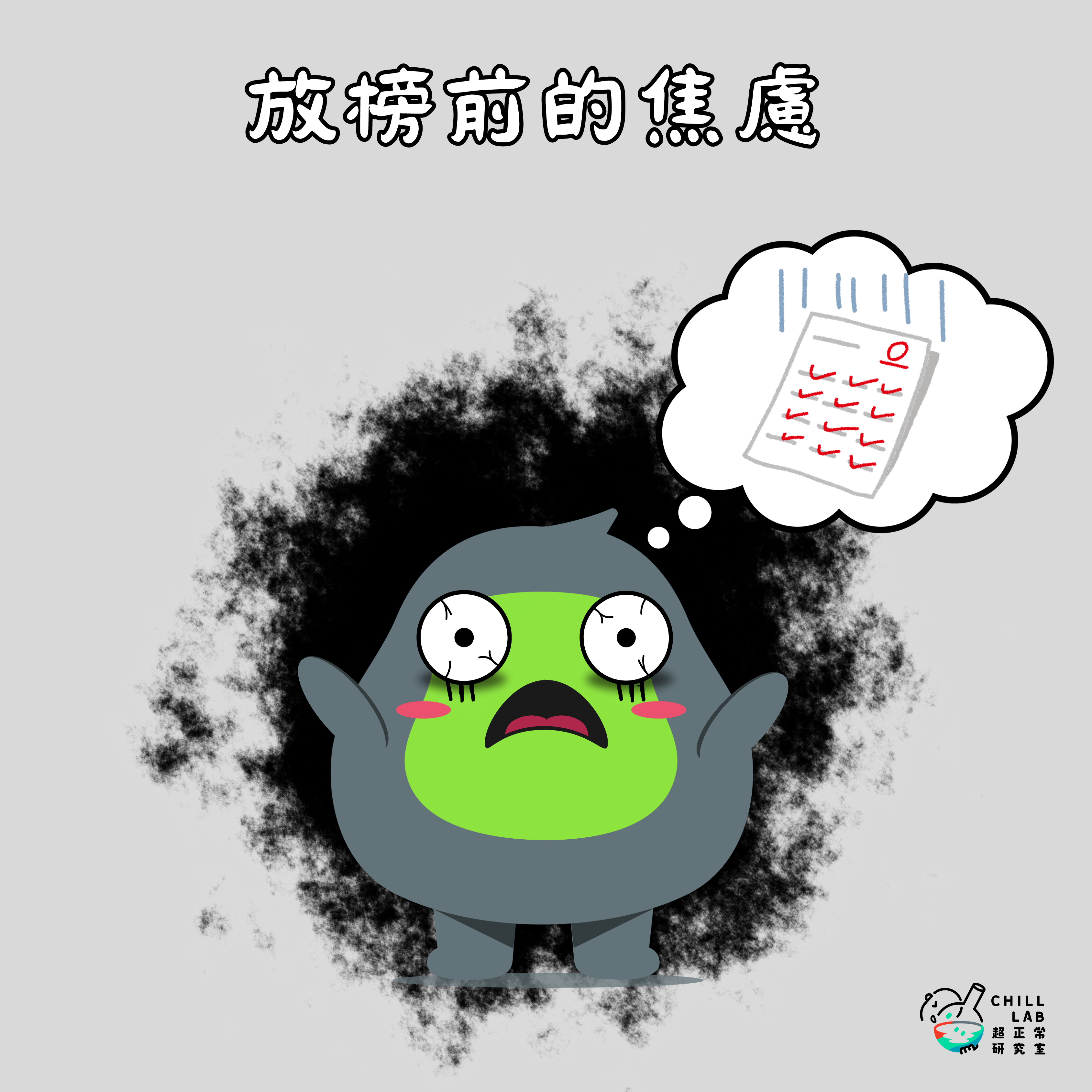
As the DSE results release date is approaching, have you ever felt nervous, worried, panicked, or frightened? Students are concerned about their test results and may feel anxious when thinking about their prospects, as the choices and changes they are going to encounter may significantly impact their future. If students can adequately understand and deal with their anxiety, it will help them maintain good well-being to face the coming new stages and challenges.

These feelings of anxiety may stem from students’ negative thoughts about open examinations and results. For example, students may catastrophize their exam results, worrying that they will not be able to get into the university if they fail to achieve the expected results, and their future will be ruined. Or they may keep thinking about the situation on the day of the HKDSE, feeling that they did not do well in the exam, blaming themselves for not performing well, and worrying that they will lose their qualifications to enter their favorite subjects. Some students may be unclear about their interests and skills, feel struggle to plan for their future paths, and are worried about unable to find a course and career that suits them. Our body will also appear differently under various anxious emotions. Symptoms include heart palpitations, difficult in breathing, tension headaches, frequent urination, stomach pain, abdominal pain, and insomnia. Long-term anxiety may worsen into anxiety disorders and depression.

It is not easy to coexist with anxiety. Students may feel highly anxious before results are released. So, what can we do to relieve these emotions? Students can refer to the following tips to deal with various worries and anxiety before the results are released:

1. Write down a plan in advance
Before the results are released, students should plan for further study pathways as early as possible and collect relevant information. Students can simulate various results and release situations in advance, such as scores higher or lower than expected, and then record corresponding options for further education and employment. When you have clear information and plans in hand, you can be mentally prepared to deal with it even if your results are not as expected, thus you can better manage the feeling of anxiety.

2. Take care of yourself
When you feel anxious, remind yourself that you have already planned everything. No matter how worry you are, it will not help. Therefore, students should arrange their schedule for adequate sleep and a proper diet instead of worrying. You can also focus on activities that you enjoy and temporarily stay away from anxiety to make yourself feel more comfortable.

3. Talk to someone you trust
Sometimes, when people express their worries to others, their anxiety can be relieved. Students can talk to trusted family members, friends or professionals about their stress and worries before the results are released, and also listen to the experience and opinions from other people.

DSE is one of the milestones in our lives, but it is not everything. Feeling anxious before the release of the results is a normal reaction. Having anxious feeling does not mean suffering from anxiety disorder. However, if the feeling of anxious has been present for a long time, is growing stronger, and seriously affects your daily life, remember to seek help from professionals around you.

Whats is Emotional blackmail?

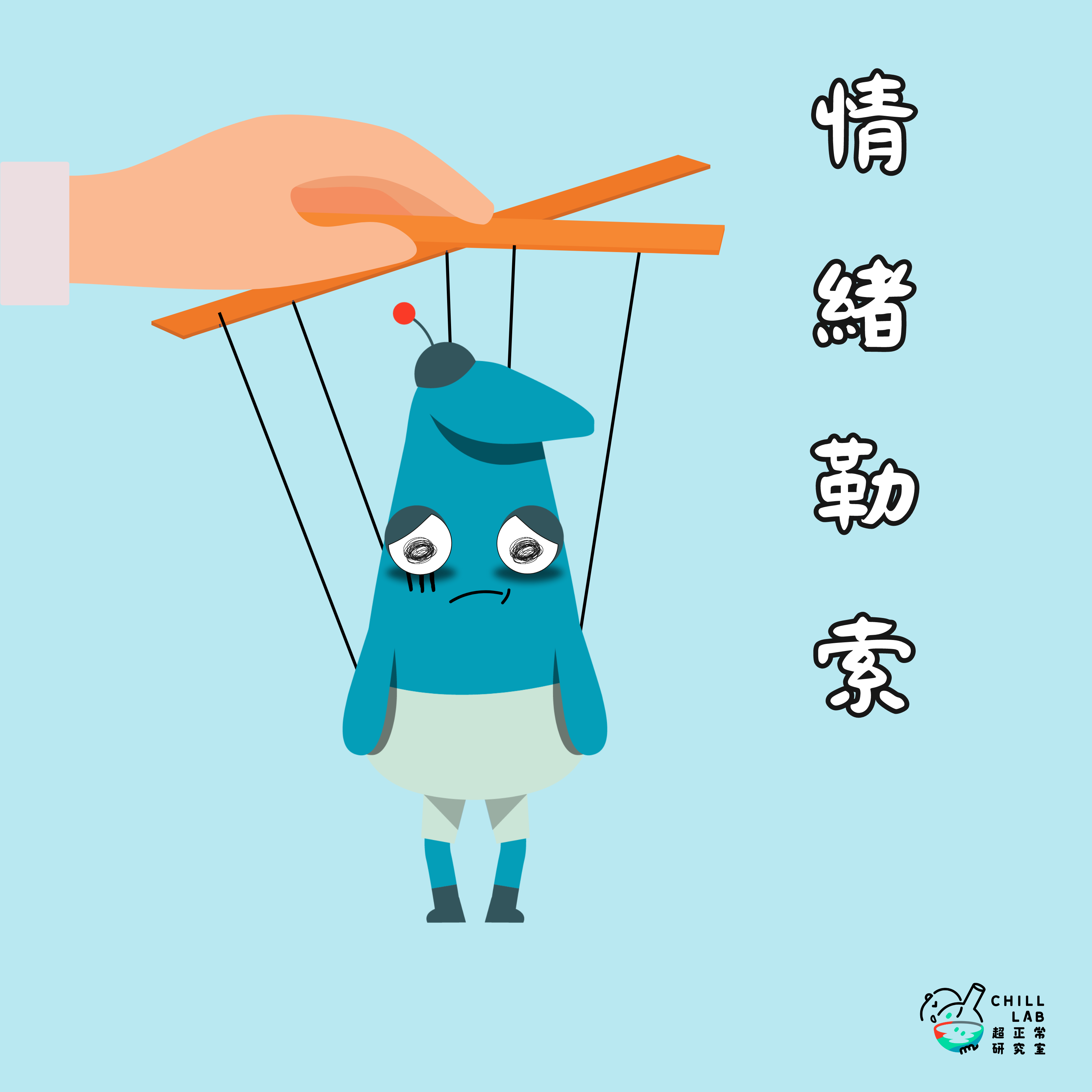
Emotional blackmail is a concept introduced by psychologist Susan Forward. It refers to using fear, obligation, and guilt to control others in intimate relationships such as in the workplace, parent-child relationships, marriage, romantic relationships, and friendships. Emotional blackmailer manipulates the victim into experiencing negative emotions such as frustration, guilt, and fear. The victim would feel trapped, low in self-worth, and thus unable to see the reality of the situation, leading to self-doubt and ultimately complying with the blackmailer’s demands.

There are six key characteristics of emotional blackmail:
1. Demand: The emotional blackmailer presents a clear request or demand to the victim.

2. Resistance: The victim feels uncomfortable or unable to accept the demand and attempts to refuse or resist it.

3. Pressure: In response to the victim’s resistance, the blackmailer further emphasizes their demand and adds pressure.

4. Threats: If the pressure does not lead to acceptance, the blackmailer uses the victim’s emotions to directly or indirectly threaten them into complying with their demand.

5. Compliance: To avoid the negative consequences the blackmailer threatens, the victim often gradually gives in and complies with their demands.

6. Repetition: Once the victim complies, this behavior can become a recurring pattern, creating a vicious cycle of emotional blackmail.

Tips for avoiding emotional blackmail:
When you suspect that you may be experiencing emotional blackmail, you can use the following SOS strategy to respond:

1. Stop: When engaging in emotional blackmail, it is important not to immediately respond to the blackmailer’s demands. Take a moment to pause and delay, giving yourself time and space to think. If necessary, you can leave the venue to avoid being influenced by the blackmailer’s emotional fluctuations.

2. Observe: Once you can stop and stay away from the pressure, try to observe the situation from an outsider’s perspective. Through reflection, observe the blackmailer’s intentions, demands, and methods, and be aware of your thoughts and feelings. For example, pay attention to the words or actions used by the blackmailer that make you feel afraid, guilty, or compelled to comply.

3. Strategize: After reflecting, you can develop strategies to respond to the blackmailer, and practice until you can clearly and firmly express your decisions to the blackmailer. Strategies such as non-defensive communication can present boundaries and avoid triggering the blackmailer’s emotions. For example, you could say, “I understand you’re angry, but when you treat me like this, I feel really hurt…”

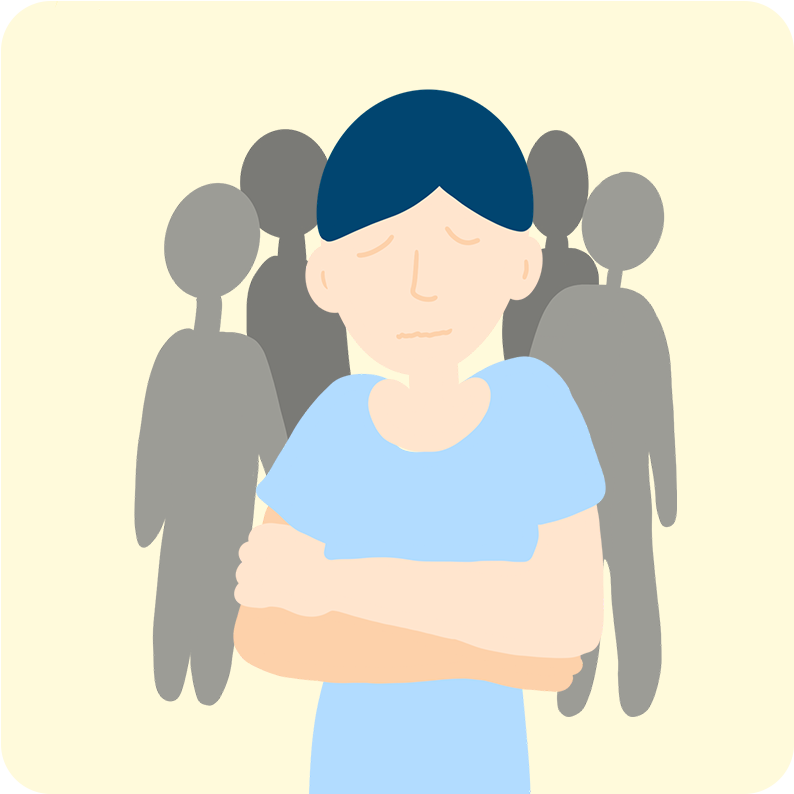
Female University Student Faces Social Anxiety, Prefers Solitude and Avoids Interactions

Female University Student Faces Social Anxiety, Prefers Solitude and Avoids Interactions

Translated from Column Sharing, Decoding Mental Health, Hong Kong Economic Times |Date: 30/07/2019|

Ah Yee, 22 years old, has just entered her first year of university.Due to Ah Yee’s less-than-ideal academic performance in high school, she faced several twists and turns,including repeating a year and self-study, ultimately gaining admission to university.Ah Yee perceives herself as an “older student” due to her age compared to her first-year peers.

Being naturally introverted and reserved since childhood, Ah Yee also dealt with weight issues, being somewhat overweight and less agile in her movements since primary school. This made her a target for ridicule and exclusion by classmates, and even in the early years of high school, she lacked close friends. These experiences severely impacted Ah Yee’s self-esteem and confidence. Despite losing some weight now and having one or two friends, she still feels inadequate compared to others.

After entering university, Ah Yee developed a fear of interacting with classmates. In the early days of the new semester, she worried about being perceived as “strange” when in contact with other students. As a result, Ah Yee often wandered alone on campus and refrained from initiating conversations with anyone. During class discussions, her nervousness manifested as trembling hands, a blank mind, and the ability to respond only with simple sentences. These situations left Ah Yee feeling extremely embarrassed.

Gradually, Ah Yee began avoiding situations that required interaction with others. Each time a class involved discussions, she would use the excuse of “leaving the classroom” to skip it. Eventually, she stopped speaking to anyone during her daily commute to school. Feeling that the issue was becoming more severe and concerned about its impact on her academic performance, Ah Yee sought help from the student counseling center. It was then that she learned about her diagnosis of “social anxiety disorder.”

During counseling sessions, the counselor encouraged Ah Yee to appreciate herself more and rebuild her self-confidence. The counselor also advised her to evaluate her social situations with more positive and rational thoughts to reduce anxiety. Ah Yee was encouraged to gradually engage in short interactions with others, step by step, to regain her confidence. After a period of counseling, Ah Yee slowly gained the courage to communicate with her fellow students.

What is Social Anxiety Disorder?

Social anxiety disorder is an emotional condition characterized by persistent fear of social situations. Patients fear making mistakes or causing embarrassment in public, hindering them from engaging in normal social activities, severely impacting their confidence and daily lives. Psychological counseling and medication are commonly used methods to treat Social Anxiety Disorder.

In terms of psychological counseling, “Cognitive-Behavioral Therapy” can systematically help patients reduce their fear of social situations.
In medication treatment, serotonin and anti-anxiety medications have shown significant efficacy in treating social anxiety disorder.

Authored by Dr. Chiang Kuan Hiong, Registered Clinical Psychologist, The Mental Health Association of Hong Kong